Poker rake caps at $5; the bad-beat fund keeps 1%
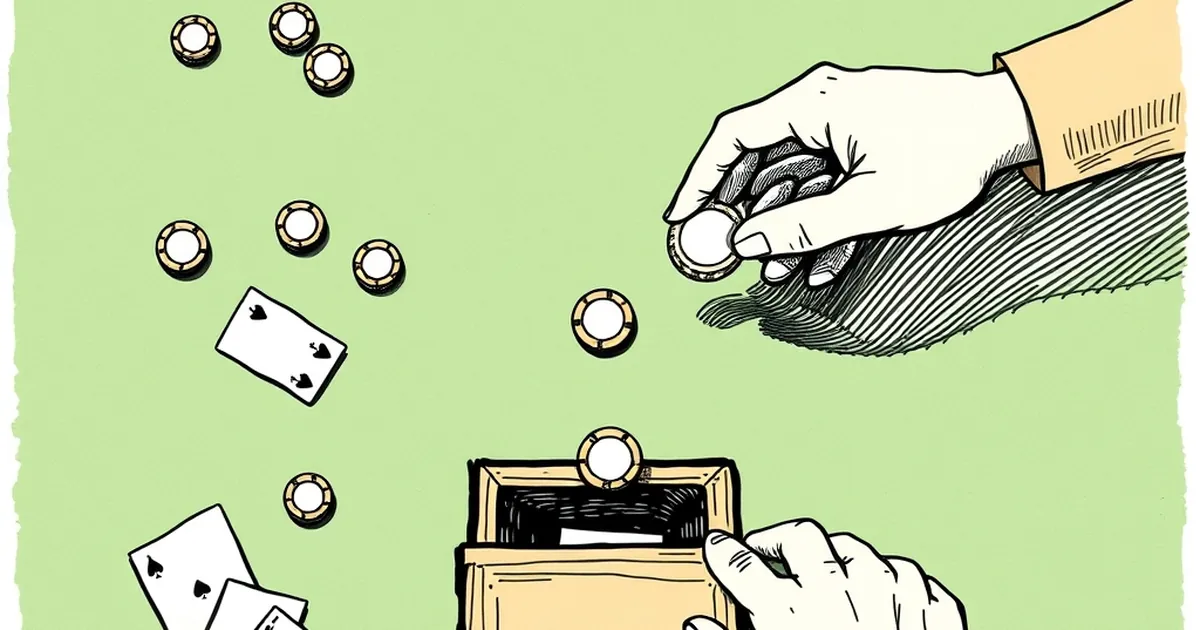
A $5 rake cap and a 1% bad-beat fund carve-out quietly shape your win rate in $1/$2 no-limit far more than small table average differences
How fast casinos really pay out, checked ·
A $5 rake cap and a 1% bad-beat fund carve-out quietly shape your win rate in $1/$2 no-limit far more than small table average differences
Daily withdrawal limits reset at midnight while deposit ceilings follow their own schedule, explaining why accessing your own money is harder than expected
Why $9 a month feels costlier than $108 a year, and how monthly subscription framing quietly reshapes financial judgment and product design
Slot volatility labels reset daily while your bankroll carries forward, revealing why a fresh rating can mislead players about the true cost of a session
When free spins outlast the slot that issued them, players face a bonus clock with no game to spend it on and terms that rarely explain what happens
Published bonus caps sit at 10x while a VIP host's discretionary budget has no written limit, revealing how high-roller retention really works
Why a $4 coffee feels free but a $40 fee stings: how reward timing and budget resets shape your spending decisions
Two-factor resets every 30 days while recovery keys stay valid for four years, a mismatch in iGaming account systems that surfaces when a phone is lost
A geolocation check on a betting site resolves in under 200ms while the appeal against its block takes three weeks, exposing a striking asymmetry
Geo-blocking fires instantly while operator licence details hide clicks deep, exposing a quiet asymmetry in how regulated gambling sites treat players
Payment apps make spending effortless but earning nearly impossible, and that asymmetry in friction is no accident but deliberate design
A 12-leg parlay settles in seconds, but a void leg can take six days to correct, leaving your balance and open bets quoting numbers that aren't final
A three-word bonus card summarising a 19-page terms document reveals what gets compressed out of casino offers and whether players can reconstruct it
Provably fair cryptography verifies each shuffle but says nothing about the late-night deposit decisions that trust signals often get mistaken for
Why a $4.80 average round-up and a $40 streak counter tell the real story of habit design in consumer payments and how people think about money