Why Your Brain Treats a Declined Cashout Like a Broken Quest
Why your brain treats a declined cashout like a broken quest, triggering an obsessive urge to fix it
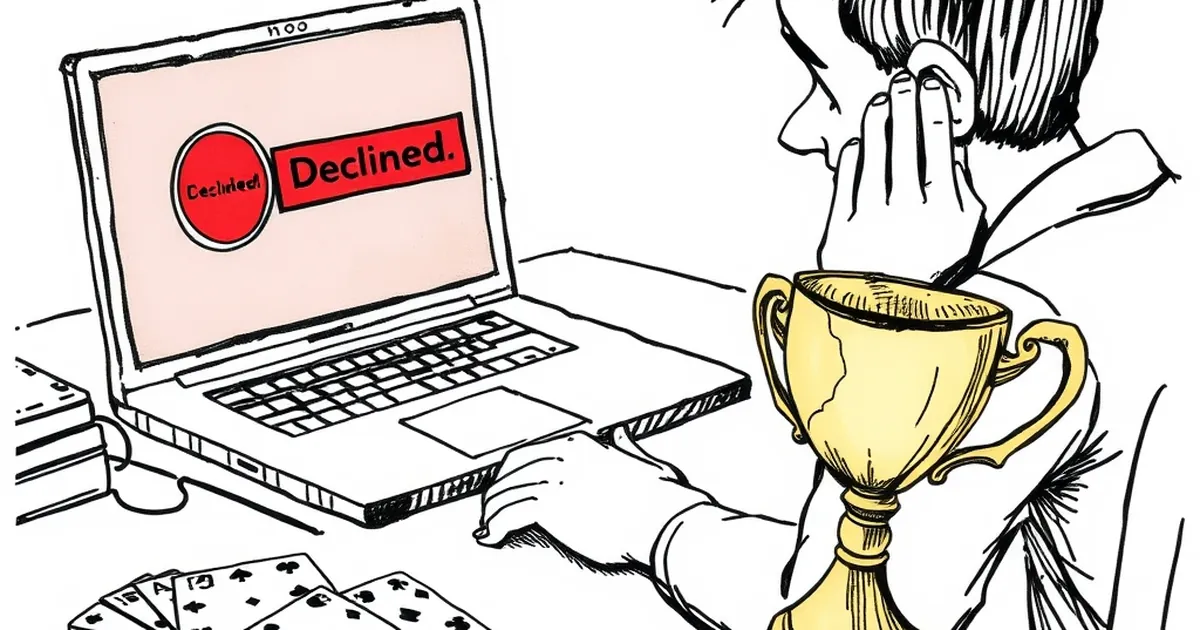
How fast casinos really pay out, checked ·
Why your brain treats a declined cashout like a broken quest, triggering an obsessive urge to fix it
Payment networks classify casino wins as refunds, not purchases, giving casinos a structural edge in disputes
Why your brain treats subscription renewals like boss battles—and what that reveals about high-pressure financial decisions
Visa’s fraud system blocks later casino deposits based on risk scoring, not the first—here’s why your tenth fails
Your brain treats a card decline like a respawn cooldown—here's why that neural loop drives you to retry
Discover why a card decline triggers the same brain response as a critical hit, and what that reveals about your psychology
A payment decline triggers the same brain loop as a game respawn—here’s why you instantly retry
Discover why Visa classifies casino wins as chargebacks and how this structural bias freezes your payouts
Discover why your brain treats spending like a game, and how fintech taps into your innate need for progress and reward
A card decline triggers the same neural loss response as a missed save, revealing how your brain misreads financial setbacks
A declined card triggers the same brain response as a lost save point, revealing why we crave persistence
Your brain treats skipped payments like broken streaks, triggering a loss response that shapes your financial habits
Your brain labels casino cashouts as losses—here’s why dopamine values earned rewards over acquired ones
Discover why first casino deposits feel like a free trial and how to spot the behavioral design behind welcome bonuses
A payment decline triggers the same brain regions as losing a video game, fueling frustration and irrational persistence